The Alpine Sanctuaries: Autumn in Switzerland
Venturing past popular ski hubs into the quiet Val d'Hérens, where golden larch needles carpet the valley floors and old wooden chalets whisper centuries of alpine lore.
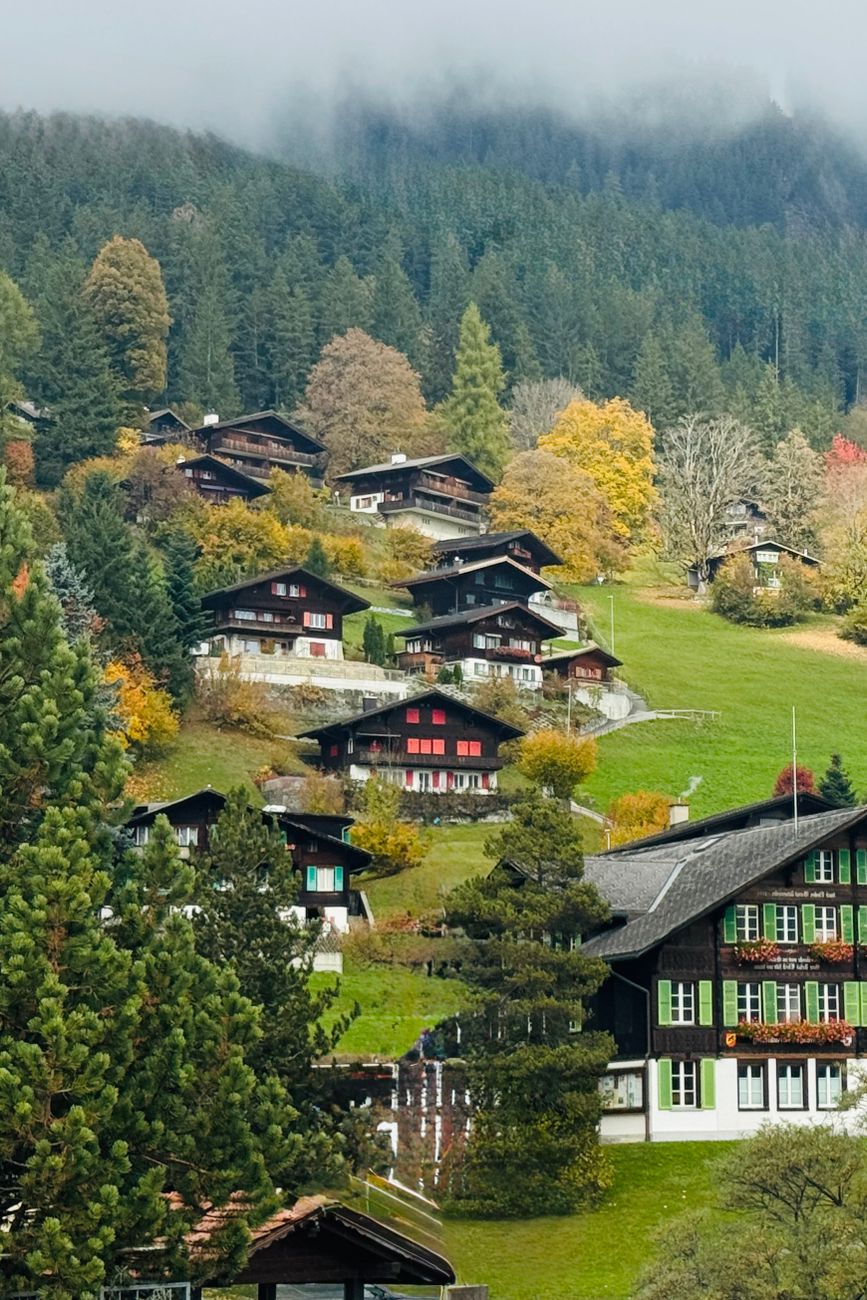
Table of Contents
1. The Golden Transformation of Val d'Hérens
As October sweeps across the Valais region of Switzerland, the emerald greens of high summer surrender to a breathtaking symphony of gold and bronze. Larch trees—the only European conifers to lose their needles in winter—turn brilliant yellow against snow-dusted granite peaks.
Walking along the Bisse de Vex, an ancient irrigation channel constructed in the 15th century, the sound of gently rushing water accompanies every step. Unlike the crowded resort towns of Zermatt or Verbier, autumn in Val d'Hérens offers stillness. You can walk for hours without encountering more than a local farmer tending to dark brown Eringer cattle.
"There is a crisp clarity to alpine air in autumn that makes every peak feel within arm's reach."
2. High-Altitude Architecture & Wooden Chalets
In villages like Evolène and Les Haudères, the built environment reflects hundreds of years of climate adaptation. Heavy larch timber structures, darkened by centuries of intense sun exposure, rest upon flat stone pedestals called 'raccord' to protect stored grain from rodents.
Staying in a restored 18th-century chalet provides an intimate look at sustainable design. Heating comes from soapstone stoves that retain warmth overnight, while local stone slates line the roofs, engineered to withstand heavy snowfall.
3. Practical Advice for Autumn Hiking
- Timing: Late September to late October is optimal for peak autumn foliage colors.
- Gear: Layering is key; temperatures can swing from 15°C in sunny valleys to below freezing at ridge tops.
- Transport: Swiss PostBus networks serve even the most remote alpine villages seamlessly.